NES DATA

Author name: admin_nes

A Beginner's Guide to Data Center Infrastructure Management (DCIM)
Data Centers

A Beginner’s Guide to Data Center Infrastructure Management (DCIM)

In the Fourth Industrial Revolution era, data is playing a key role for driving innovation and competitive advantage. Any business, whether small or big, is incorporating technologies like AI and IoT; it is exploding the volume of data generated. The critical infrastructures that help the world to efficiently process, store, and manage this vast amount of data are data centers. This digital revolution isn’t confined to developed nations. The digitalization of emerging economies, including third- and fourth-world countries, is driving unprecedented growth in digital infrastructure and local data centers. There is no doubt that the rapidly expanding data centers will require systems to monitor, optimize, and maintain their operations. And this is where Data Center Infrastructure Management (DCIM) becomes essential—bridging the gap between IT systems and physical infrastructure to ensure efficiency, scalability, and sustainability in the digital age. What is Data Center Infrastructure? Each and every data center requires some foundational elements to operate and that is Data Center Infrastructure. These elements should operate effectively, providing reliable services for storage, processing, and transferring digital data. It includes various components classified into physical infrastructure, IT systems, and management solutions. What is Data Center Infrastructure Management? Data centers have a large number of physical and virtual assets. As these are critical assets for organizations, data centers need complete visibility and control over their storage and operations. DCIM is a software-based approach designed to provide comprehensive visibility and control over a data center’s assets. It integrates IT systems such as servers, storage, and networking with facilities infrastructure like power, cooling, and space to ensure seamless operations. Core Functions of DCIM Monitoring and Analytics: The data center operations require to track power usage, temperature, airflow and hardware performance every now and then. This monitoring will help to identify inefficiencies and suggest actionable improvements. Capacity Planning: The recurring need of businesses and organizations to optimize the use of space, power, and cooling resources will be answered efficiently. This will help with future growth by predicting needs based on current trends. Asset Management: The integration of IT systems and physical infrastructure in the data center will help to maintain a comprehensive inventory of equipment and its status. The data center infrastructure management will assist in managing lifecycle stages, from installation to decommissioning. Energy Efficiency: Managing the data center infrastructure enables operators to track Power Usage Effectiveness (PUE) which is essential for data center’s cooling system efficiency. The comprehensive visibility promotes sustainable practices by reducing energy waste and also helps in business uptime. Automation and Alerts: Automation is the need of the hour for any corner of the digital world. The vigilant systems of data centers are able to automate routine tasks such as balancing the load of IT equipment and adjusting the environment to keep them cool and operable. If any sudden failure, anomalies or breaches happens, it sends alerts immediately to save from further disaster. What does a data center benefit from its infrastructure management (DCIM)? DCIM not only streamlines its operations but also reduces manual interventions. This adds to efficiency of data centers. The monitoring and capacity planning enhance the resource utilization. This reduces energy costs by lowering pressure on cooling systems. Along with that the continuous vigilance and automation of operations zero in minimizing risks of equipment failure and brings predictability in maintenance services. Hence, this not only encourages green practices by optimizing energy resources for data centers but also prepares the data center to handle growing workloads seamlessly. Who Exactly Needs The DCIM? As we understand how data center infrastructure management operates and its benefits, we can not deny that it suits organizations of any size with data centers. Even a small-scale data center will also need an efficient system that will manage the critical IT equipment. However, it is especially vital for hyperscale data centers, colocation providers, and enterprises that are handling critical workloads as it lowers downtime through its operations and helps them remain competitive and sustainable. Trends and Innovations The latest developments and advancements in how data centers are monitored, optimized, and operated are encouraging current trends and innovation in DCIM. It is the backbone of ensuring data centers run efficiently while adapting to growing technological demands and sustainability as part of ESG goals. Trends: AI-Driven Management: Artificial intelligence and machine learning are being integrated into DCIM tools to predict hardware failures, optimize energy consumption, and improve resource allocation. Edge Data Centers: With the rise of IoT and 5G, there’s a growing trend of smaller, localized data centers closer to users for faster data processing. Hybrid Models: A combination of on-premises, cloud, and colocation data centers. It is becoming common as businesses need a flexible infrastructure to optimize performance and cost. A real-world example of a hybrid model in use is Netflix. Sustainability Focus: The current world upholds ESG for its operations. Hence tThere’s is increasing emphasis on reducing energy consumption and carbon footprints, using renewable energy, and optimizing cooling systems. Innovations: Real-Time Monitoring Tools: Advanced DCIM platforms provide live data on power usage, temperature, and server performance, enabling proactive management. Liquid Cooling Systems: An innovative cooling method replacing traditional air cooling, improving efficiency in high-performance data centers. Modular Infrastructure: Scalable and flexible modular designs are revolutionizing how quickly data centers can expand and adapt to new demands. IoT Integration: Sensors and IoT devices provide granular insights into every aspect of the data center, from energy consumption to equipment health. Cornerstone of the Modern Digital World The data center infrastructure management represents the future of efficient, sustainable, and reliable data center operations. One of the primary drivers of the DCIM market is the growing demand for efficient data center operations. As data centers become more complex, managing and optimizing their operations becomes way more challenging than in the past. The world understands that DCIM solutions provide real-time monitoring, asset management, and capacity planning, helping data centers operate more efficiently and reduce operational costs. Hence, it is the cornerstone of modern data center management and the digital world. FAQs:

News

NES Data Expands with Major Lease in Pune

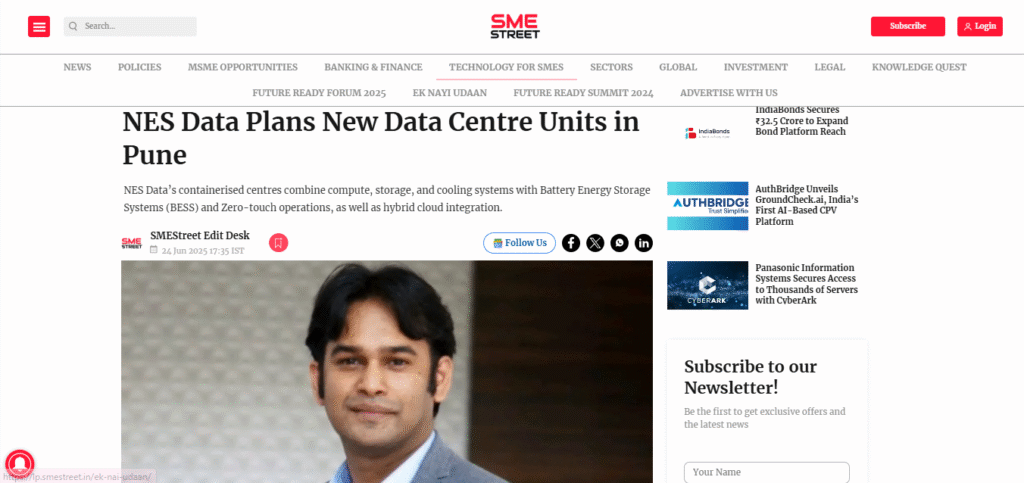
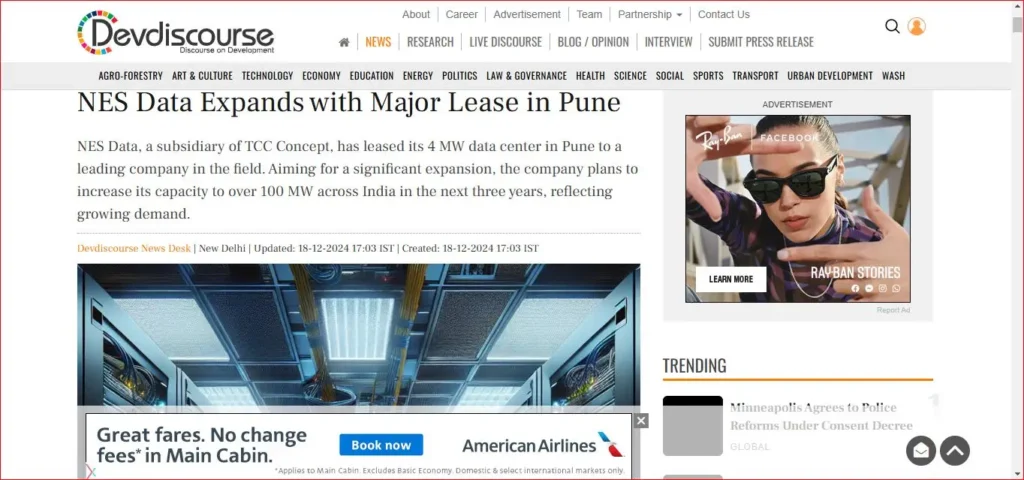
NES Data, a subsidiary of TCC Concept, has leased its 4 MW data center in Hinjewadi, Pune, to one of the industry’s top companies. To meet growing demand, NES Data plans to expand significantly, aiming to increase its capacity to over 100 MW across India within the next three years. This lease agreement highlights NES Data’s competitive edge in the data center infrastructure and services market. For more

News

NES Data leases entire 4 MW data center in Pune

NES Data, the TCC concept’s data center business subsidiary, announced that it has leased its 4 MW IT & Infrastructure Load capacity data center in Hinjewadi, Pune, to a leading provider of technology, services and systems. With its capacity to accommodate high-density server racks, the NES data center offers the client a sizable IT infrastructure and bulk bandwidth capabilities. Intending to reach over 100 MW of data center capacity throughout India in the next three years, NES Data has big plans to increase the size of its data center footprint greatly. For more  

Colocation vs Cloud
Data Center Dilemma, Data Centers

Data Center Dilemma: Colocation vs. Cloud for Small and Medium Enterprises

When it comes to selecting a data center for your business, the decision between cloud solutions and colocation can be daunting. As we see, today’s small and medium businesses increasingly rely on robust IT infrastructure to keep up with growing demands for data, scalability, and operational efficiency. These businesses need the most suitable home for their IT infrastructure. Two reliable and efficient hosting options are coming up as the best contenders, and one significant decision involves choosing the right hosting solution: Colocation vs. Cloud. Each option has its strengths, and making an informed choice requires understanding how it aligns with a business’s specific needs and goals. What is Colocation? Colocation refers to housing a company’s servers and networking equipment in a shared data center facility. Businesses rent space within the colocation center, which provides essential resources such as power, cooling, physical security, and high-speed internet connectivity. This setup allows organizations to benefit from a professional data center environment without the need to build and maintain their own facilities. What is Cloud Computing? Cloud computing consists of the delivery of various services over the Internet. This includes storage, processing power, and applications. Users can access data and applications remotely instead of storing data on local servers or personal computers. Cloud service providers (CSPs) help businesses easily scale up and down their IT resources based on demand, providing flexibility and cost efficiency. Small and medium enterprises need to weigh these following ten crucial factors when deciding between Colocation and the Cloud to optimize their IT infrastructure. Cost Structure and Budge Cloud: Cloud services usually offer a subscription or pay-as-you-go model, which allows for a low upfront cost and predictable monthly expenses. This flexibility can be attractive to medium-sized businesses with limited budgets and fluctuating usage needs, as it provides scalability without significant capital investment. Colocation: Colocation often requires a higher initial investment since businesses purchase or lease their own hardware and pay for rack space, power, and cooling in a data center. However, colocation can be more cost-effective in the long term for businesses with steady and high data usage, as they avoid recurring cloud service fees and can better control costs through optimized equipment and efficient resource use. Control Over Infrastructure Cloud: In cloud environments, businesses use virtual servers managed by third-party providers, which means they have limited control over hardware configurations. This may limit customization options but can be beneficial for those who prefer less hands-on maintenance and are willing to trust third-party security measures. Colocation: With colocation, businesses retain full ownership and control over their hardware and can configure it to meet specific operational needs. This control is ideal for companies with unique requirements, such as particular security measures, custom software, or specific compliance. Scalability and Flexibility Cloud: Cloud platforms offer high scalability, allowing businesses to easily increase or decrease resources as needed. This is particularly advantageous for small businesses that anticipate significant growth or fluctuating data needs, as cloud providers can instantly adjust storage, computing power, and memory. Colocation: Although colocation also allows businesses to scale, the process can be more complex since it involves purchasing additional hardware and often requires physical space within the data center. However, colocation’s long-term scalability can be more stable and predictable, especially for businesses with steady growth and clear forecasts. Data Security and Compliance Cloud: Cloud providers invest heavily in cybersecurity and compliance, with measures like encryption, multi-factor authentication, and automated backups. However, since data is stored on shared infrastructure, some businesses may have concerns about data privacy and control. If compliance with strict regulatory standards (e.g., HIPAA or GDPR) is necessary, verifying the cloud provider’s certifications is essential. Colocation: Colocation facilities offer greater control over security, allowing businesses to implement specific security tools and access controls directly on their hardware. With data stored in a dedicated space rather than a shared cloud environment, colocation can address privacy concerns and regulatory requirements more directly. Performance and Latency Cloud: Cloud solutions are efficient, but they can cause delays if the data is stored on distant servers. These interruptions can impact decision-making and efficiency, making it essential for companies to find solutions that ensure seamless operations. Colocation: Colocation provides the option to place servers closer to a business’s main operation or clients, reducing latency and improving performance. This proximity is ideal for applications that require fast response times, like financial transactions or complex data analysis, ensuring a more stable connection. Redundancy and Reliability Cloud: Most cloud providers offer multiple redundancies across their networks, ensuring minimal downtime and fast disaster recovery options. The geographic distribution of data centers enhances reliability by providing backup resources in case of localized issues. Colocation: Colocation providers also invest in redundancy, offering backup power, cooling, and network connections to maximize uptime. However, disaster recovery might require more effort and planning on the business’s part, as colocation centers typically do not offer instant failover like cloud providers. Maintenance and Support Cloud: Cloud solutions are primarily managed by the provider, so they handle updates, troubleshooting, and support. For small businesses with limited IT staff, this level of management reduces the need for hands-on support and allows for more effortless day-to-day operations. Colocation: Colocation requires businesses to manage their own equipment, which includes performing updates and maintenance tasks. For medium-sized businesses, this can provide a level of independence and customization; however, it can also be a burden for companies without dedicated technical staff. Environmental and Sustainability Concerns Cloud: Cloud providers are increasingly focused on sustainable practices, with many aiming for carbon-neutral operations. This shift aligns with the environmental goals of companies looking to minimize their ecological footprint. Colocation: Many colocation facilities are also prioritizing green initiatives, such as energy-efficient cooling and renewable power sources. However, a business’s sustainability will also depend on the efficiency of the hardware it owns and operates. Digital Transformation Goals Cloud: For small and medium-sized businesses seeking to embrace digital transformation rapidly, cloud solutions provide an agile, scalable environment for testing and deploying new technologies, applications, and services.

Sustainable Data Centers in India
Data Centers

Navigating the Dynamics of Creating Sustainable Data Centers in India

India’s data center market is seeing rapid growth, fueled by digital transformation across industries, increased internet penetration, and a rising preference for cloud-based solutions. The ongoing expansion is being driven by regulatory mandates for localized data storage, in addition to the rise of innovative technologies such as Generative AI, 5G, and IoT, which are increasing the need for strong and sophisticated data infrastructure in numerous sectors. With India’s fast-paced digital growth, the need for sustainable data centers is only expected to grow. However, this growth also brings with it significant environmental challenges. Data centers, if not managed sustainably, can consume substantial amounts of power and water and contribute significantly to carbon emissions. Recognizing these urgent challenges, data centers are increasingly turning to sustainable practices to balance operational efficiency with environmental responsibility. In this blog, we explore how India’s data center industry, including pioneering players like NES Data, is navigating these challenges to create a sustainable and balanced future for digital infrastructure. Understanding Sustainability in Data Centers Sustainability in data centers revolves around minimizing energy use, reducing carbon emissions, and maximizing resource efficiency. These facilities operate around the clock, making energy consumption a significant concern. Moreover, many data centers use large amounts of water for cooling, adding another layer of resource usage. Thus, sustainability efforts in data centers focus on energy-efficient technology, responsible water management, and optimizing the physical infrastructure to create greener operations. The key sustainability challenges faced by data centers: High Energy Consumption: Traditional data centers are major energy consumers, primarily due to the continuous operation of servers and cooling systems required to prevent overheating. Given the global push towards renewable energy, data centers must transition to greener power sources to mitigate their impact. Solar, wind, and other renewable energies can reduce dependency on fossil fuels, allowing data centers to operate more sustainably while potentially lowering long-term energy costs. Water and Resource Management: Cooling is essential in data centers, yet traditional water-cooled systems can strain local water resources. This issue is particularly pressing in water-scarce regions, where large data centers may impact community water supplies. Alternatives like air-cooled systems and liquid immersion cooling are emerging solutions that help reduce water use, although they require upfront investments. Sustainable water management policies, supported by innovative cooling technologies, can significantly reduce a data center’s ecological footprint. Carbon Footprint: Data centers contribute to greenhouse gas emissions due to their energy requirements and equipment manufacturing processes. As industries push toward net-zero carbon goals, it becomes crucial for data centers to adopt energy-efficient technologies, reduce reliance on carbon-intensive power sources, and implement practices that minimize emissions. Data centers can align with global carbon neutrality objectives by leveraging carbon offsets, optimizing server loads, and deploying energy-saving infrastructure. Integrating these sustainable practices into the design and operation of data centers is not only environmentally responsible but also aligns with the rising demand for greener technology from regulators and consumers. Core Areas for Sustainable Development Energy Efficiency: Energy efficiency is paramount in creating sustainable data centers. Traditional centers rely heavily on power-hungry cooling systems, which can drive up energy costs and emissions. Renewable energy sources, if you name them like solar and wind, have the potential to address energy requirements. Numerous data centers in India are actively establishing partnerships with renewable energy providers to mitigate their dependence on fossil fuels. Cooling Technologies: Data centers are like the beating heart of the digital world. Still, all that activity comes with a downside—they produce a tremendous amount of heat! To keep everything running smoothly and ensure peak performance, efficient cooling systems are necessary. It’s all about maintaining the perfect environment for our essential tech to thrive! Innovative cooling methods like liquid cooling, evaporative cooling, and free cooling are gaining traction. Liquid cooling, for instance, circulates coolant directly over hardware components, drastically reducing the need for energy-intensive air conditioning systems. Sustainable Building Materials and Infrastructure: A data center’s physical structure can also contribute to sustainability. Using environmentally friendly building materials, efficient insulation, and designs that facilitate natural airflow can reduce energy costs and environmental impact. Additionally, constructing data centers in cooler regions of India can naturally reduce the need for mechanical cooling. Technology and Innovation: The Driving Forces of Sustainability Advances in technology are reshaping how data centers operate, enabling them to be more energy-efficient and environmentally responsible. This exciting technological progress is driving the transformation of data centers into sustainable hubs of digital activity. Artificial Intelligence (AI) monitors and optimizes real-time energy consumption, helping reduce waste. For instance, AI can adjust cooling levels based on the current heat load, minimizing unnecessary energy usage. Internet of Things (IoT) devices are also increasingly popular in data centers for monitoring equipment performance and managing power use. These technologies help reduce overall energy consumption by automating and optimizing various processes. Modular and Edge Computing systems allow data centers to scale incrementally, making them more flexible and efficient. Modular data centers are built in sections and can be added as needed, helping businesses meet demand without oversizing their facilities. Data Centers: Key Players in India’s Green Goals India has indeed set ambitious climate targets, as announced at the COP26 summit in 2021. These goals include obtaining 50% of total electricity from renewable energy sources by 2030 and aiming for a non-fossil fuel capacity of 500 GW by the same year. This commitment significantly surpasses previous targets and is part of a broader set of climate objectives to reduce cumulative emissions by 1 billion tons and cut emissions intensity by 45% over 2005 levels by 2030. In addition, India has pledged to reach net-zero emissions by 2070, a significant commitment for a country with a rapidly growing economy and energy demands. As critical components of the digital ecosystem, data centers have a crucial role in meeting these targets. Companies operating in this sector have a unique responsibility to align with national objectives by implementing eco-friendly solutions and contributing to carbon reduction goals. NES Data’s Commitment to Sustainability NES Data is focusing on strategies that prioritize environmental responsibility and align with India’s push for green

Cybersecurity in Data Centers
Data Centers

Cybersecurity in Data Centers: Guarding the Digital Frontier

We live in a digital world where nearly every aspect of our lives is supported or enhanced by digital technology. The digitization of businesses and the continuous evolution of digital technologies create an urgent need for efficient storage facilities for data and IT equipment. This overall digital growth is held up on the shoulders of data centers, which are offering reliable, scalable, and efficient environments for managing data and applications. In this blog, we are going to understand what are data centers and the comprehensive services provided by them. What is a Data Center? A data center is a physical space designed to accommodate and protect IT hardware. Inside, a data center contains complex infrastructure including servers, storage systems, and networking equipment. It provides the physical space and environmental controls needed to operate and maintain IT hardware effectively. As data centers offer reliable storage solutions for vast amounts of data, essential for the operational efficiency of IT infrastructure, they are fundamental elements in the growth of the digital world. Services provided by Data Centers Data Centers provide a wide range of services that are essential to running an IT infrastructure crucial for the digital wing of any organization. These services enhance the growth of the organization as they assist them to leverage digital technology effectively. Here are the key services offered by data centers: Colocation Services: A business can rent a physical space for servers and other IT equipment. More than one business can share this facility with continuous access to power, cooling system, and high-bandwidth network connectivity. A business can rent a space as per its needs like cage colocation, or cabinet colocation. A business working with sensitive data can rent a private suit also. Cloud Services: Some data centers also provide virtualized computing resources, platforms, or software applications over the Internet. With the physical space for servers, a business can have access to a virtual digital infrastructure facility. Data Storage: and Backup To cater to the growing need for data storage, data centers provide storage options for their data. Data centers also provide backup services to prevent data loss and ensure recovery. Security Services: A data center is a secure place to store crucial IT infrastructure It provides robust security measures like lockable enclosures, access control systems, intrusion detection systems, firewalls, and complete surveillance. These physical security and cybersecurity measures comply with industry standards and regulations. Monitoring and Management: Data centers provide 24/7 monitoring of IT infrastructure for performance and issues. To ensure optimal performance and bring low latency they offer regular maintenance of hardware and software. Also, they offer move-in assistance for the smooth transitioning of IT infrastructure. Support and Consulting: In the case of troubleshooting, a business can expert technical assistance remotely to its colocation facility without wasting crucial time and resources. Also get expert advice on IT strategy, infrastructure design, and optimization. Conclusion Data centers provide a comprehensive suite of services that support a wide range of IT and business needs. From storage to security and consulting, data centers enable businesses to leverage technology effectively. They guarantee reliability, scalability, and efficiency to scale digital growth and in turn the economic growth of an organization. NES Data is at the forefront of this digital transformation, offering cutting-edge data center solutions tailored to meet the unique needs of businesses. The company aims to drive data center infrastructure development, optimize efficiency and cost-effectiveness through automation and digitization, and deliver agile, operationally simple infrastructure. Check out the company’s website to learn more about its services. FAQs: 1. Why is cybersecurity important in data centers? Data centers store sensitive business, financial, and personal information, making them prime cyberattack targets. Strong cybersecurity prevents data breaches, downtime, financial loss, and reputational damage while ensuring continuous digital operations and regulatory compliance. 2. What are the most common cyber threats to data centers? The most common threats include ransomware, DDoS attacks, phishing, insider misuse, malware, and advanced persistent threats. These attacks aim to steal data, disrupt services, or gain long-term unauthorized access to critical infrastructure. NES DATA combines multi-layer physical security, network segmentation, real-time monitoring, and strict access control to prevent unauthorized entry and detect threats early. 3. What is the role of multi-factor authentication in data center security? Multi-factor authentication adds an extra verification layer beyond passwords, ensuring only authorized users access critical systems. It significantly reduces the risk of credential theft, unauthorized login attempts, and insider misuse. 4. What is an insider threat in a data center? An insider threat occurs when employees, vendors, or partners misuse authorized access intentionally or accidentally. This can lead to data leaks, configuration changes, service disruption, or installation of malicious software. 5. What security compliance standards are followed by NES DATA data centers? NES DATA facilities are designed to align with global data center and information security best practices, enabling enterprises to meet regulatory, governance, and client security requirements while reducing operational risk.

Sustainable Data Center Solutions
Data Centers

Sustainable Data Center Solutions: Paving the Way for a Greener Future

The digital revolution has transformed how we look at the world and interact with it. Digital technologies carry the potential to change the use of natural resources. This has enabled the human race to virtually connect and leverage nature’s resources more profoundly. But development is not the only thing we want, as we face environmental challenges along with it. As we see, data centers carry the load of the data world, the inclusion of sustainable factors in them is the primary way towards greening the digital world. One should not forget that sustainable data center solutions are not only about lowering carbon footprint but also about creating more efficient and cost-effective operations. In this blog, we will explore the importance of sustainable and energy-efficient data centers and their key features. The Importance of Sustainability in Data Centers In our increasingly digital world, data centers are crucial in supporting the vast amount of data generated daily. This needs a significant amount of energy consumption, primarily for powering servers and cooling systems used to maintain the climate in a data center facility. As the demand for data processing and storage grows, so does the energy consumption of data centers. As we already know, the high energy demand leads to significant greenhouse gas emissions, contributing to climate change. Therefore, sustainability in data centers is essential to reduce environmental impact. Lowering energy consumption is not a workable option. However, we can lower the consumption with the help of energy-efficient designs, and using renewable energy sources can significantly reduce the carbon footprint of data centers. Embracing these solutions not only benefits the environment but also offers long-term economic advantages. Key Features of Sustainable Data Centers These features are not only to contribute to environmental preservation but to reduce operational costs also. They comprise various advanced sustainable practices related to infrastructure, resources, systems, and functionality of data centers. Let’s follow the list of these key features: Energy-Efficient Infrastructure Renewable Energy Sources Advanced Cooling Techniques Modular Data Centers Heat Recovery Systems Energy-Efficient Infrastructure: Designing and building green infrastructure for data centers is important. The utilization of energy-efficient architectural designs, such as optimized cooling systems and natural lighting will lead to a reduction in energy consumption. Deployment of energy-efficient servers and storage systems that require less power to operate will be an added advantage for energy efficiency. Renewable Energy Sources: To power data centers, there is a need to have significant investments in renewable energy sources such as solar energy and hydroelectric energy. This will eventually reduce reliance on fossil fuel consumption. With feasible geographical and other factors, utilizing hydroelectric power provides a stable and sustainable energy source. Advanced Cooling Techniques: Air conditioning in data centers is continuous and hence intensive energy consumption. To reduce this consumption, leveraging natural air or water sources to cool data centers is a practical and indeed a green solution. The tech solution of liquid cooling has proven to be more efficient than traditional air cooling methods. Modular Data Centers: Data centers have complex structures of infrastructure from cables to racks to in-house servers. Hence the scalability options for storage according to the needs of the client are required. Using modular data centers that can be easily scaled up or down based on demand will also improve efficiency and reduce unnecessary energy use. Heat Recovery Systems: The continuous working of IT equipment such as servers, computing machines, and their related hardware equipment, leads to overheating. Capturing the excess heat and reusing waste heat generated by these equipment to heat office spaces or other facilities is possible. This facility will also lower stress on the cooling system and energy consumption by data centers. NES Data Centers As Sustainable Data Center Solutions In the above blog, we have understood how sustainable and energy-efficient data center solutions are essential for mitigating the environmental impact of growing digital infrastructure. By adopting green practices and innovative technologies, data centers can contribute to a more sustainable future while maintaining operational efficiency. NES (Natural Environmental Solutions) Data Centers demonstrate that it is possible to balance environmental responsibility with operational excellence. By prioritizing sustainability, NES not only helps protect the environment but also achieves significant cost savings and operational efficiencies. This dual focus on sustainability and efficiency positions NES Data Centers as a leader in the industry, paving the way for a greener future. Learn more about sustainable solutions provided by NES Data Centers on the website. FAQs: 1. What are sustainable data center solutions? Sustainable data center solutions are technologies and design practices that reduce energy consumption, lower carbon emissions, optimize cooling, improve power efficiency, and use renewable energy while maintaining high performance and continuous digital operations. 2. How do energy-efficient data centers reduce operational costs? Energy-efficient infrastructure lowers power and cooling requirements, improves space utilization, and minimizes hardware waste. This reduces electricity bills, maintenance costs, and long-term capital expenditure while improving overall performance. 3. Can waste heat from data centers be reused? Yes. Heat recovery systems capture excess heat generated by servers and reuse it for office heating or nearby facilities, reducing total energy consumption and improving overall environmental efficiency. 4. Are sustainable data centers slower or less powerful? No. Modern sustainable data centers use high-efficiency hardware and intelligent design to deliver equal or better performance while consuming less power, making them both environmentally responsible and operationally superior. 5. Are NES Data Centers cost-effective as well as environmentally sustainable? NES combines sustainability with operational efficiency by lowering power usage, improving space utilization, and reducing infrastructure overheads, which leads to long-term OPEX savings alongside measurable environmental benefits for growing digital businesses.

Colocation Solutions

Boost Business Uptime with Strategic Colocation Solutions

The world is moving too fast, and with AI it is galloping toward a new world of digital transformation. To hold the reins of this digital progress a business must find solutions that will boost their operational efficiency, and overall business success. Hence solutions like a robust infrastructure that continuously supports its critical IT operations will be the stable for the horses of the digital race. Search for these solutions will lead to one of the fundamentals of digital transformation: data centers and their colocation services. They are the third-party service providers, to house the IT infrastructure of businesses, with a reliable, scalable, and secure environment to operate their critical systems. By capitalizing on these strategic colocation solutions, businesses can mitigate risks and enhance their uptime, ensuring they remain competitive and resilient in the face of challenges. To understand how colocation services can boost business uptime we will learn more about both in the following sections. Business Uptime: Business is not only about selling its services or products, it encompasses all the processes that carry the workload of a business. It can be the storage of vast amounts of data that a business collects or creates, or it can be service applications used by its employees. Imagine how the business will suffer if any one of these operations breaks down. If the critical processes come to a halt, that will lead businesses to disruption of services, miss deadlines for their projects, and finally will lead to dissatisfied customers. To prevent these worst-case scenarios, maintaining high business uptime is important. Business uptime means the amount of time the services, systems, or operations of a business are available and functioning as intended. High business uptime is essential for maintaining customer satisfaction, operational efficiency, and overall business success. Where business downtime is the amount of time a system is unavailable. Hence, it is the opposite of uptime and is also measured to understand the impact on business operations. Colocation Solutions: In the world of digital infrastructure, colocation refers broadly to the practice of housing IT infrastructure, such as servers, storage devices, and networking equipment, all in a third-party data center. This involves renting space within the facility like data centers, which provides power, cooling, physical security, and network connectivity. These data centers are designed to ensure maximum uptime and reliability for a business, as their advanced services reduce the likelihood of disruptions caused by power outages, hardware failures, or natural disasters. Additionally, colocation providers often offer 24/7 monitoring and support. This will assist the businesses to address the arisen issues with the help of a professional team in real-time and promptly before they escalate into major problems. Colocation as a concept can be subdivided into several specific applications or subsets, each addressing particular aspects of IT infrastructure and service needs. These types of colocation solutions are for cater to the needs of businesses like privacy, security, high network connection, or scalability. Let’s learn more about different types of colocation solutions based on purpose and based on infrastructure. Colocation Solutions Based on Purpose:  These types of solutions address the operational purpose of the business and offer specialized services according to their requirements. These solutions are: Data Colocation Network Colocation Application Colocation Disaster Recovery Colocation Cloud Colocation Data Colocation: Data is the fuel as well as a unique weapon in the digital world. Business needs a solution to securely store, backup, and management of critical data. Data colocation emphasizes these aspects of businesses. It assists them with secure data storage, power redundancy, and disaster recovery options for hassle-free data operations. Network Colocation: The network is the lifeline of the digital world. This network colocation solution focuses on essential networking infrastructure, such as routers, switches, and communication equipment. Because of the high-speed connectivity of the network, multiple carrier options, and network reliability, businesses can run their IT operations continuously. Application Colocation: This type centers around hosting specific applications or software platforms. Services provided by this colocation include application monitoring, maintenance, and support. In this colocation, a business can have optimized performance for critical applications, enhanced security, and dedicated resources. Disaster Recovery Colocation: A prolonged downtime could threaten the business’s survival. To prevent and mitigate such threats, disaster recovery colocation provides a backup site for data and IT infrastructure. It is like a secondary site for backup and recovery in case of a primary site failure. It ensures minimizing downtime and ensuring business continuity. Cloud Colocation: If data centers are physical infrastructure solutions, then cloud solutions come as a digital one. Integrating cloud computing with traditional colocation is the main feature of cloud colocation. This enables businesses to have the flexibility of hybrid cloud solutions, scalable resources, and seamless cloud integration. It can also support cloud migration and management to cater to the IT needs of a business. As we have seen the colocation solutions based on purposes, we will take a look at the infrastructure side of these solutions. Colocation Solutions Based on Size and Infrastructure: Colocation solutions based on size and infrastructure are crucial because they offer businesses tailored options that align with their specific needs and growth stages. These solutions are: Cage Colocation Cabinet Colocation Private Suites Cage Colocation: This is a dedicated, secure area within a data center for a business’s equipment. It comes with enhanced security, customization options, and shared facility resources. Cabinet Colocation: A business can rent any individual cabinets or racks within a data center. This is a cost-effective, scalable, and suitable solution for smaller IT infrastructure needs. Private Suites: It is a completely isolated and dedicated space within a data center. When a business needs maximum security and complete control over the environment, a private suit will be ideal for those large enterprises with stringent requirements. This flexibility in size and infrastructure of a colocation facility is vital for businesses looking to optimize their IT operations, protect sensitive data, and prepare for future growth. Conclusion: When a business runs, it can be challenging for it to run continuously, due to factors like power outages, hardware failures, and natural disasters. This is

Data Centers
Data Centers

Understanding Data Centers: The Fundamental Element Of Digital Growth

We live in a digital world where nearly every aspect of our lives is supported or enhanced by digital technology. The digitization of businesses and the continuous evolution of digital technologies create an urgent need for efficient storage facilities for data and IT equipment. This overall digital growth is held up on the shoulders of data centers, which are offering reliable, scalable, and efficient environments for managing data and applications. In this blog, we are going to understand what are data centers and the comprehensive services provided by them. What is a Data Center? A data center is a physical space designed to accommodate and protect IT hardware. Inside, a data center contains complex infrastructure including servers, storage systems, and networking equipment. It provides the physical space and environmental controls needed to operate and maintain IT hardware effectively. As data centers offer reliable storage solutions for vast amounts of data, essential for the operational efficiency of IT infrastructure, they are fundamental elements in the growth of the digital world. Services provided by Data Centers Data Centers provide a wide range of services that are essential to running an IT infrastructure crucial for the digital wing of any organization. These services enhance the growth of the organization as they assist them to leverage digital technology effectively. Here are the key services offered by data centers: Colocation Services A business can rent a physical space for servers and other IT equipment. More than one business can share this facility with continuous access to power, cooling system, and high-bandwidth network connectivity. A business can rent a space as per its needs like cage colocation, or cabinet colocation. A business working with sensitive data can rent a private suit also. Cloud Services Some data centers also provide virtualized computing resources, platforms, or software applications over the Internet. With the physical space for servers, a business can have access to a virtual digital infrastructure facility. Data Storage and Backup To cater to the growing need for data storage, data centers provide storage options for their data. Data centers also provide backup services to prevent data loss and ensure recovery. Security Services A data center is a secure place to store crucial IT infrastructure It provides robust security measures like lockable enclosures, access control systems, intrusion detection systems, firewalls, and complete surveillance. These physical security and cybersecurity measures comply with industry standards and regulations. Monitoring and Management Data centers provide 24/7 monitoring of IT infrastructure for performance and issues. To ensure optimal performance and bring low latency they offer regular maintenance of hardware and software. Also, they offer move-in assistance for the smooth transitioning of IT infrastructure. Support and Consulting In the case of troubleshooting, a business can expert technical assistance remotely to its colocation facility without wasting crucial time and resources. Also get expert advice on IT strategy, infrastructure design, and optimization. Conclusion Data centers provide a comprehensive suite of services that support a wide range of IT and business needs. From storage to security and consulting, data centers enable businesses to leverage technology effectively. They guarantee reliability, scalability, and efficiency to scale digital growth and in turn the economic growth of an organization. NES Data is at the forefront of this digital transformation, offering cutting-edge data center solutions tailored to meet the unique needs of businesses. The company aims to drive data center infrastructure development, optimize efficiency and cost-effectiveness through automation and digitization, and deliver agile, operationally simple infrastructure. Check out the company’s website to learn more about its services.

Scroll to Top